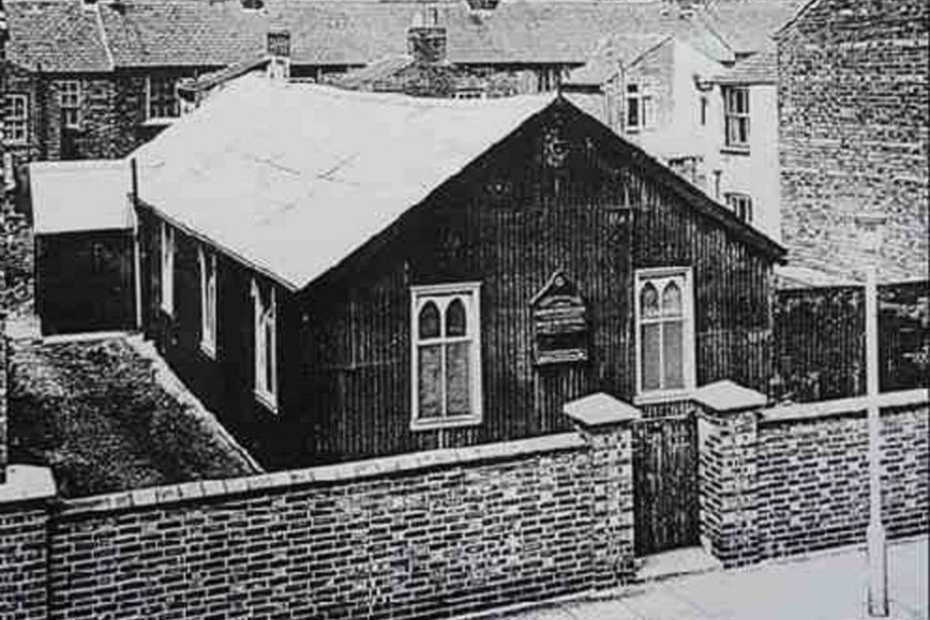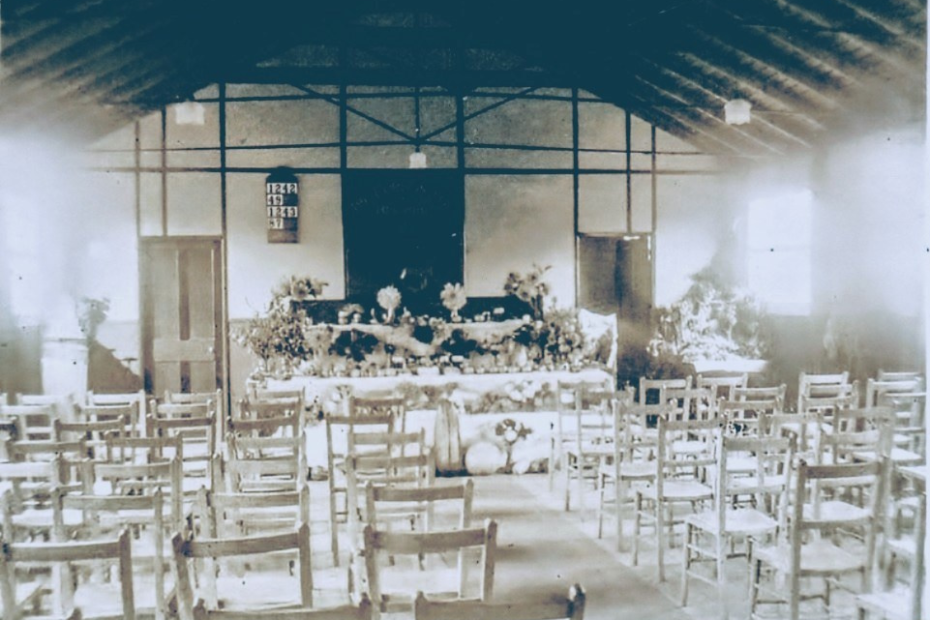
The Kislingbury Independent Mission
Exploring the story of the Kislingbury’s Idependent Mission church from 1931 to 2005, and how it started from a schism at the Baptist chapel.
Stephen Pickles’s Richard Davis and Revival in Northamptonshire offers a valuable exploration of nonconformist life beyond London in the late 17th and early 18th centuries. Focusing on the ministry of Richard Davis, the book traces his influence from Rothwell across a network of satellite meetings that extended into several regions of England. Drawing on both primary and secondary sources, it presents a balanced account of a figure whose effective ministry, published writings, and theological controversies left a lasting—if sometimes complex—legacy.
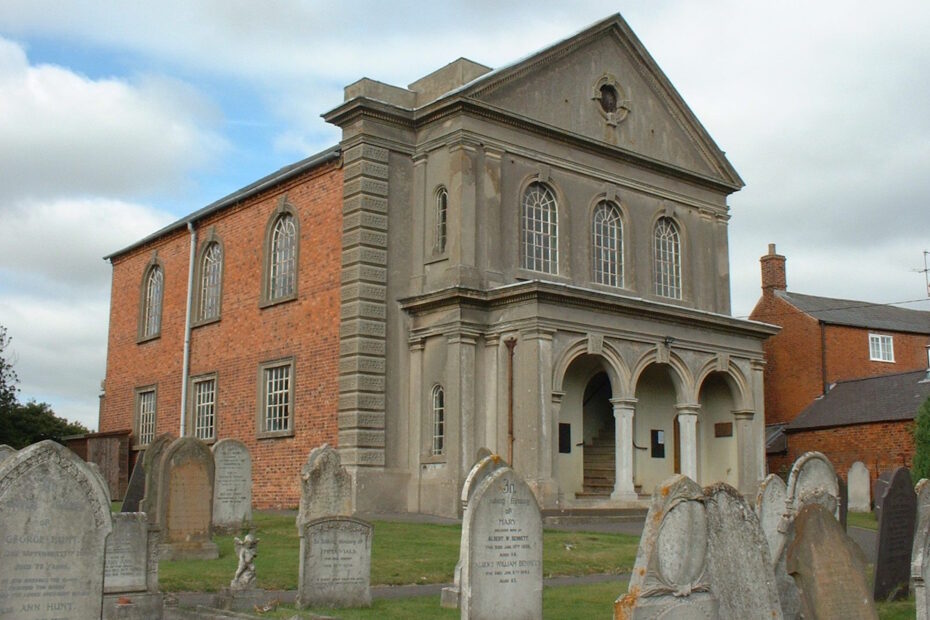
“Are you church or chapel?”
It sounds like a small question today. But well into the twentieth century in England, it revealed a great deal about a person — their beliefs, their community, even their social identity.
Or pedigree collapse and the hidden web of shared ancestry. Not billions of strangers. But millions of shared forebears—ordinary people whose lives intertwined in ways that still shape us today.
Fragments of the past: every record tells a story, but none tells the whole story Family historians (genealogists) are sometimes regarded with suspicion by “proper”… Read More »Why Doubt Your Version of History?
William Packwood was a tailor and Baptist preacher in Northamptonshire and Bedfordshire.
For more than twenty years, Ned Weeks preached to packed halls of working men and women, shaping a chapter of Northampton’s religious life that would be remembered long after his death.
On a dark Wednesday night in September 1769, the quiet road between Northampton and Kingsthorpe became the scene of a shocking act of violence that would end on the gallows.
Three generations of the Craddock family of Kingsthorpe, Northamptonshire. (c1680-1770)
In the 1920s, increased opportunities for leisure were an important part of life for the working classes.